
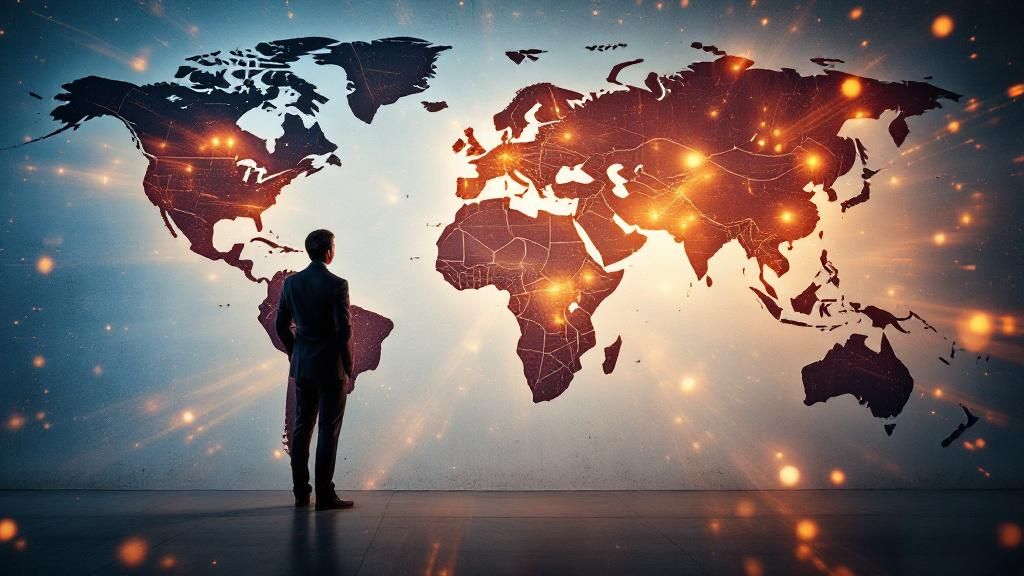
The international art world is going through a considerable transformation as modern galleries increasingly recognise the need of promoting underrepresented voices. From emerging talents in Africa and South America to established artists from marginalised groups, institutions across the globe are actively diversifying their collections and exhibition schedules. This article investigates how leading galleries are reshaping their curatorial practices, the obstacles they face in sourcing authentic work, and the significant impact these efforts are having on artists and audiences alike, ultimately redefining what contemporary art signifies today.
International Shift in Gallery Practices
The modern art sector is experiencing a substantial transformation as major galleries internationally acknowledge their past failings in inclusivity. Organisations previously controlling Western-focused discourse are now actively reassessing their holdings and curatorial practices. This change reflects increasing social calls for inclusivity and recognition of artistic talent that has persistently remained outside conventional institutional spaces. Museums and commercial galleries alike are allocating funding into uncovering and supporting artists from previously marginalised communities across the African continent, Asia, Latin America, and elsewhere.
This significant change extends past simple tokenism or superficial gestures towards genuine systematic reform. Galleries are creating ringfenced acquisition budgets expressly allocated for marginalised artists, whilst concurrently updating their advisory boards to incorporate curators and experts from varied backgrounds. The movement reflects a understanding that artistic excellence thrives globally, not just within long-established Western institutions. By expanding their perspective and actively seeking out undervalued talent, contemporary galleries are substantially redefining the conversation of what defines major modern art in the twenty-first century.
New Markets and Fresh Perspectives
Emerging markets across Africa, South Asia, and Latin America are creating remarkable present-day artists whose work warrants worldwide acclaim. Galleries are actively building working relationships with local institutions and independent curators in these regions to identify potential creative voices. This collaborative approach maintains cultural integrity and respectful engagement whilst giving practitioners remarkable chances to display their pieces on global stages. The result has been a significant surge of fresh perspectives challenging conventional artistic paradigms and expanding the limits of modern artistic expression.
Emerging artists from previously overlooked regions are gaining representation through carefully planned exhibition strategies and dedicated exhibition programmes. These emerging voices bring unique cultural narratives, innovative techniques, and thought-provoking viewpoints shaped by their unique regional and cultural backgrounds. Progressive galleries recognise that supporting emerging artists strengthens the entire ecosystem of modern artistic practice. By offering exhibition spaces, mentorship, and commercial opportunities, institutions are nurturing the next generation of influential artists whilst also enhancing their own collections with genuine pieces of cultural importance.
Organisational Commitment to Inclusivity
Leading contemporary galleries have formalised their commitment to diversity through comprehensive institutional policies and clear targets. Many establishments now issue annual diversity reports detailing their purchasing trends, exhibition schedules, and staff composition. This accountability measures demonstrate sincere devotion to systemic change rather than performative gestures. Galleries are funding staff training, cultural competency programmes, and public engagement activities to ensure their whole institutions engage with the diverse artists they represent. Such institutional commitments signal a substantial transformation in how galleries approach their curatorial responsibilities and public missions.
The financial commitment supporting these diversity initiatives is significant and meaningful. Galleries are committing greater resources towards acquiring work from under-resourced creators, supporting investigative and archival work, and assisting early-career professionals through fellowships and placements. Educational programmes within galleries now actively highlight diverse artists and their contributions to contemporary discourse. This comprehensive organisational strategy illustrates that supporting underrepresented artists is not merely an ethical imperative but a deliberate commitment in the ongoing significance and dynamism of contemporary art institutions worldwide.
Impact on the Art Trade and Cultural Environment
The expansion of gallery acquisitions to feature underrepresented artists has substantially altered modern art market dynamics. Collectors and institutions now deliberately pursue different viewpoints, generating heightened demand for works by artists formerly sidelined by mainstream galleries. This shift has boosted prices for many underrepresented creators, whilst at the same time questioning established hierarchies that favoured male-dominated Western artists. As leading auction institutions and independent collectors identify the economic and cultural significance of these acquisitions, investment in underrepresented artists has proven to be both ethically responsible and economically viable, creating unprecedented opportunities for emerging talent worldwide.
Culturally, this transformation has expanded public awareness of contemporary art’s worldwide reach and relevance. Museums and galleries now present narratives that capture multiple geographic sources, differing cultural outlooks, and lived experiences, deepening audiences’ interaction with artistic works. This inclusivity encourages dialogue between different communities and cultivates respect for cultural heritage long overlooked in Western institutions. Learning initiatives linked to shows introduce younger generations to underrepresented artists, establishing foundations for sustained cultural engagement and commercial backing. The opening up of museums has substantially transformed how society perceives artistic merit and cultural significance.
Looking forward, these developments promise sustained transformation within the art world. As galleries keep championing underrepresented artists, institutional practices will likely develop more, encouraging structural change throughout the industry. However, maintaining authenticity whilst resisting superficial representation remains essential. Galleries must demonstrate real dedication rather than performative gestures, fostering sustained partnerships with artists and communities. This shift represents not merely a passing phase but a vital reimagining of the modern art world, acknowledging global talent and ensuring future generations inherit a more equitable, representative artistic heritage.
